Comparing the chances of a bicycle and a cell to come to form from raw materials
The probability of a cell forming spontaneously from raw materials is astronomically low, often estimated at around 10−100, reflecting its complex biochemical structures and self-replicating capabilities, requiring an expected time frame of approximately 10,000,000,000,000,000,000,000,000,000,000,000,000,000,000,000,000,000,000,000,000 (1074) years to achieve through random attempts.
In contrast, while assembling a bicycle also presents a remote chance, it remains significantly more feasible and would take a considerably shorter time frame compared to the emergence of cellular life through random processes.
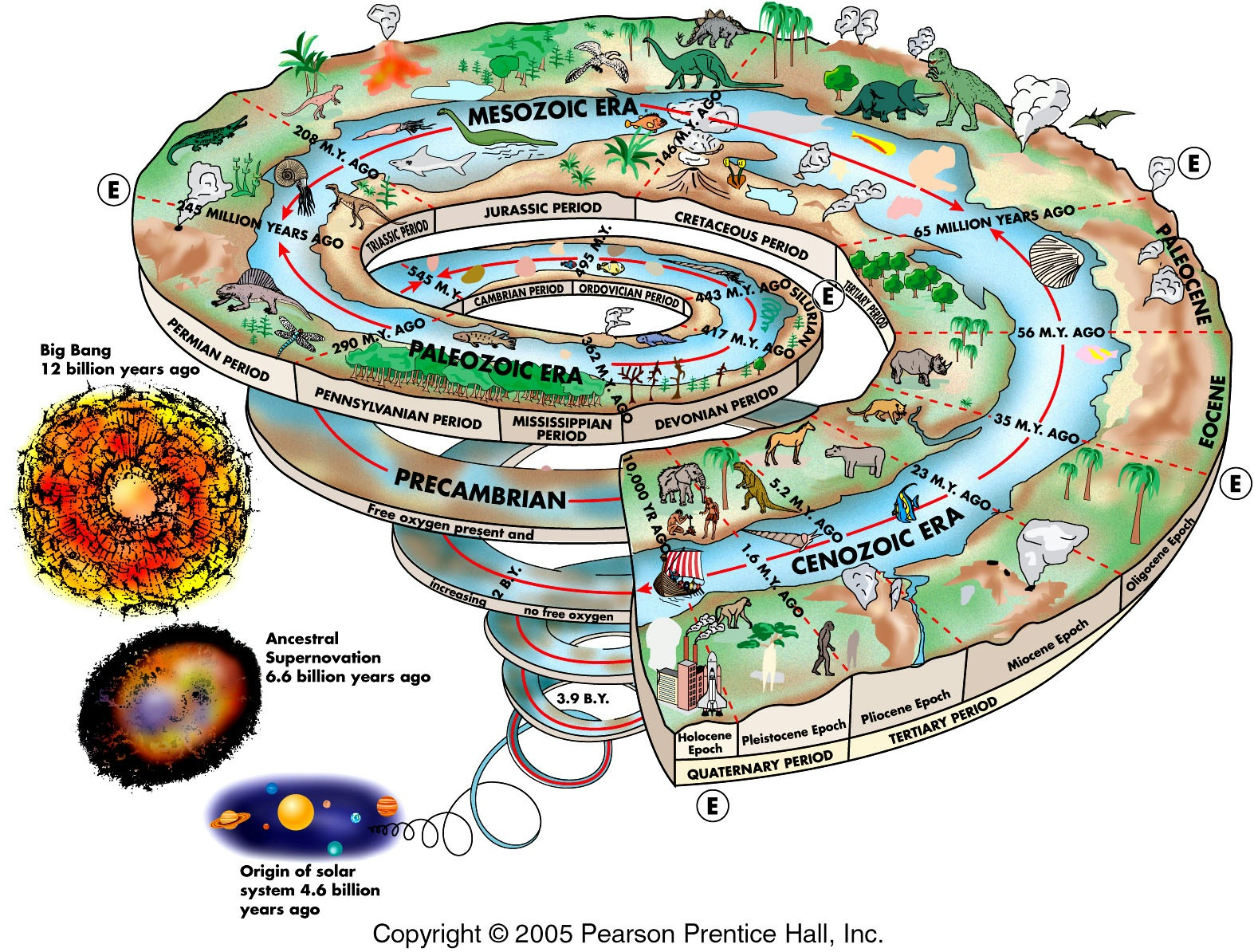
The estimated age of the Earth is approximately 4.5 billion years, or about 4,500,000,000 years. In contrast, the expected time for a cell to form spontaneously through random attempts is approximately 1074 years, or 10,000,000,000,000,000,000,000,000,000,000,000,000,000,000,000,000,000,000,000,000 (around 10 septillion years).
This means that the time required for a cell to spontaneously form by chance is approximately 2.22×1064 times longer than the entire age of Earth. Thus, it highlights the extreme improbability of life arising randomly within the timeframe available since the Earth formed.