To compare Sisyphus with a Vedic character, it is useful to examine the key elements of mythology and philosophy associated with both.
Sisyphus - Greek Mythology
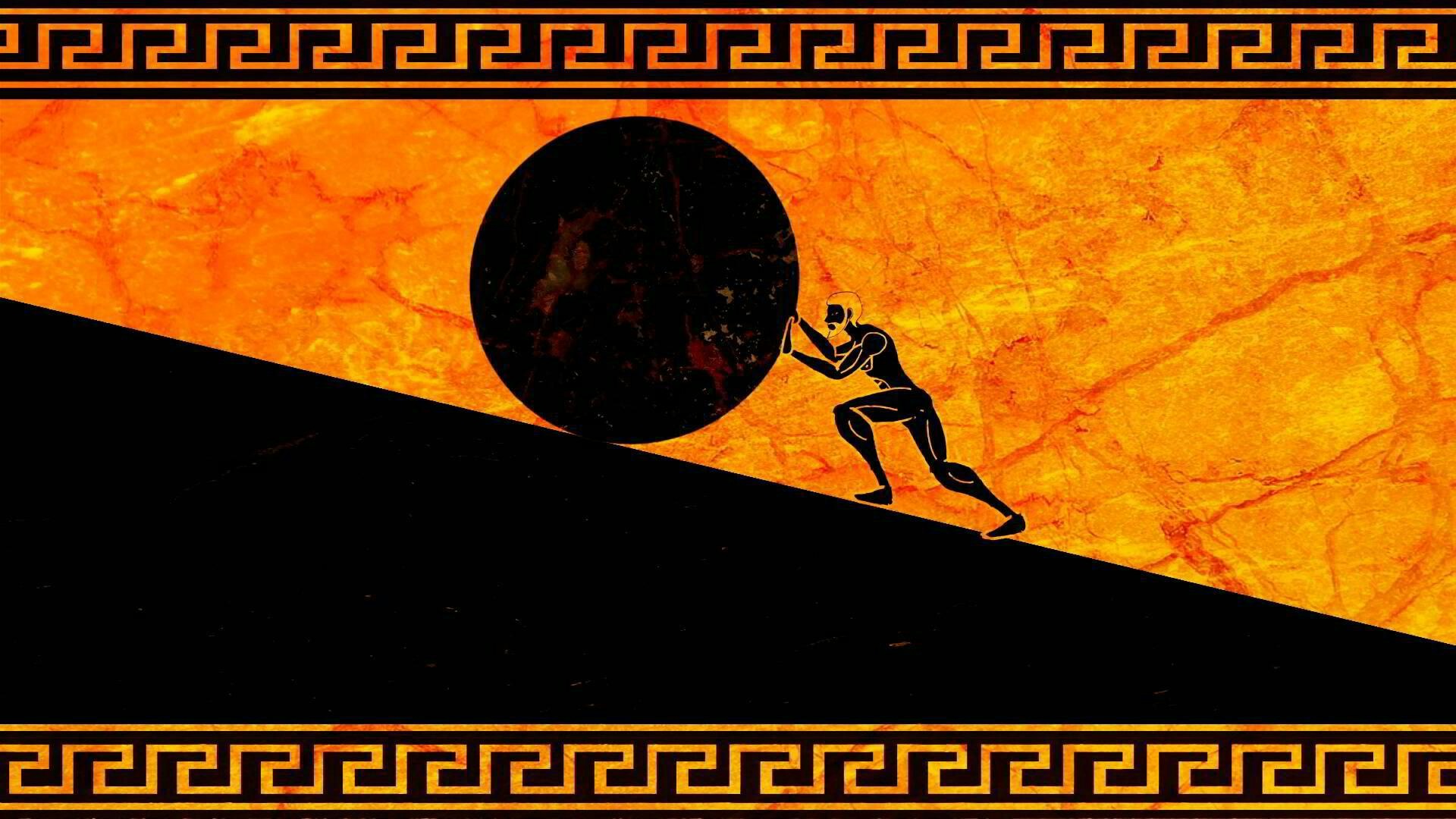
Sisyphus is a character from Greek mythology known for his eternal punishment in the underworld. He was sentenced to push a huge boulder to the top of a hill, only to have the boulder roll back down, forcing him to repeat the effort infinitely.
- Symbolism: His punishment symbolizes futility and the infinite cycle of effort and failure.
- Existentialist Philosophy: In existentialist philosophy, especially in the work of Albert Camus, Sisyphus is presented as a symbol of the absurd and futile human struggle against the inevitable forces of destiny.
Similar Vedic Character
A Vedic character who could be compared to Sisyphus is Bali, the demonic king of Hindu mythology.
-
Bali - Vedic Mythology
Bali is a daitya (demon) who managed to dominate the three worlds through his rituals and devotion. However, he was punished by the god Vishnu in his incarnation as Vamana (the dwarf).
- Symbolism: The story of Bali symbolizes the struggle between good and evil, and how even the most powerful can fall due to their pride and lack of humility.
- Cycle of Creation and Destruction: Like Sisyphus, Bali is subject to an eternal cycle; after being defeated, he is reincarnated and eventually returns to power, only to be defeated again.
Comparison
- Eternal Cycle: Both Sisyphus and Bali are trapped in eternal cycles. Sisyphus pushes the rock infinitely, while Bali cyclically gains and loses power.
- Punishment and Lesson: Both characters suffer a punishment that serves as a lesson. For Sisyphus, it is the futility of fighting fate; for Bali, it is the importance of humility and respect for the gods.
- Philosophical: In both cases, there is a deep philosophical element. For Sisyphus, it is the absurd human condition; for Bali, it is the cyclical nature of karma and the importance of virtue.
Conclusion
The comparison between Sisyphus and Bali reveals interesting parallels between Greek and Vedic mythology. Both characters illustrate universal themes of struggle, punishment, and the eternal cycle of life and destiny. While Sisyphus represents existentialist futility, Bali symbolizes the moral and karmic lessons in the Vedic tradition. Both examples highlight the importance of humility and acceptance of fate in their respective philosophical traditions.